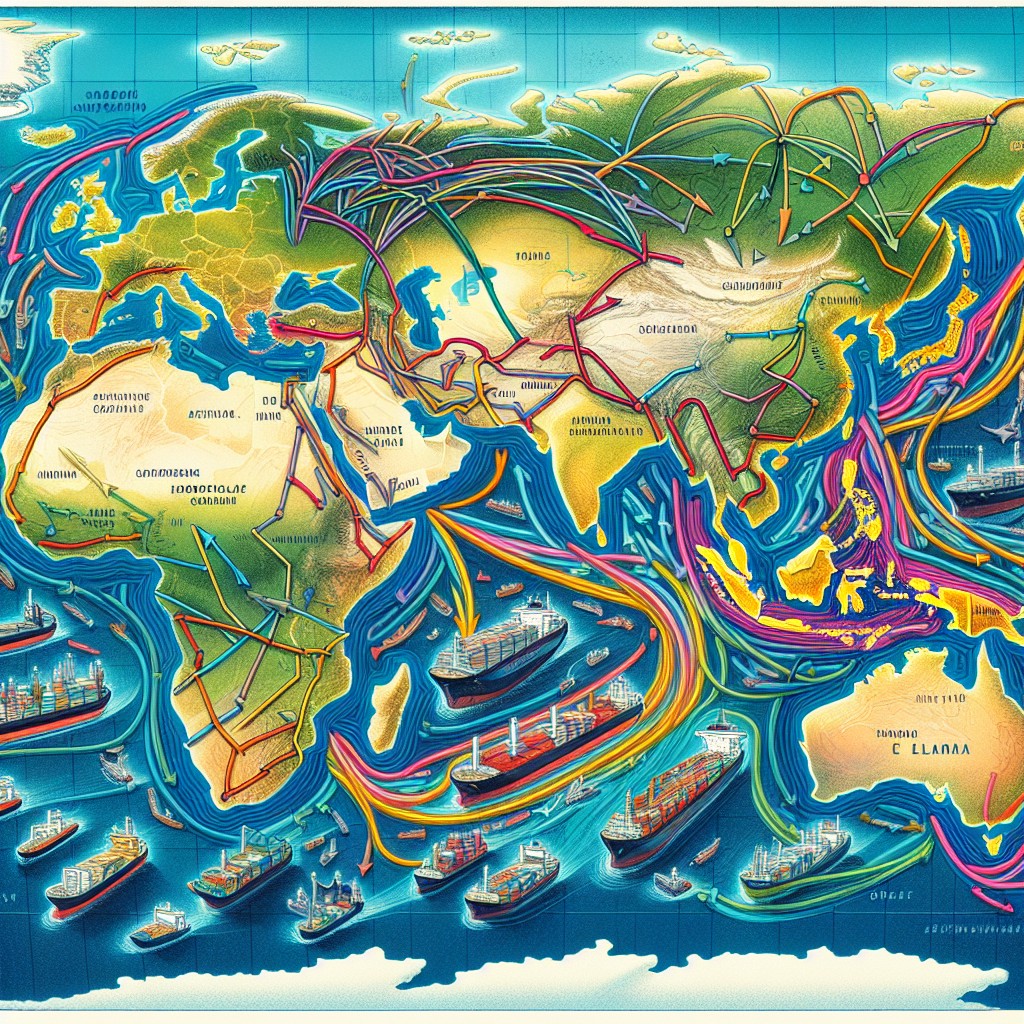
The global economic landscape is increasingly shaped by evolving sanctions policies imposed by governments and international bodies. These shifts have significant implications for businesses engaged in cross-border trade, requiring firms to adopt comprehensive strategies to navigate complex regulatory environments. Understanding the latest changes and how companies adapt is crucial for maintaining compliance and operational resilience.
Recent developments in sanctions policy
Over the past few years, sanctions policies have undergone notable changes, reflecting geopolitical tensions and international security concerns. New sanctions targeting specific countries, industries, and individuals are frequently introduced by key actors such as the United States, the European Union, and the United Nations. The sanctions policy now increasingly focuses on financial institutions, technology exports, and critical supply chains, posing challenges for multinational corporations. Firms must keep abreast of these policy updates to avoid legal repercussions and financial losses.
The impact of sanctions policy on cross-border trade
Sanctions policies affect cross-border trade by restricting transactions with sanctioned entities and limiting access to certain markets and resources. Companies might face blocked payments, frozen assets, or denied export licenses. These restrictions disrupt supply chains and can increase operational costs. Moreover, sanctions may create uncertainty, deterring investment and complicating contract negotiations. As firms navigate these obstacles, they must implement stringent controls and maintain transparent reporting mechanisms to comply with evolving sanctions standards.
Corporate strategies for managing sanctions risk
To mitigate risks associated with sanctions policy, firms adopt multiple proactive measures. Businesses increasingly invest in advanced compliance programs, utilizing technology such as automated screening tools to vet customers and suppliers against sanctions lists. Employee training is emphasized to ensure awareness of the latest regulatory requirements. Additionally, companies conduct regular audits and engage with legal experts to interpret complex sanctions rules. Robust due diligence processes and real-time monitoring contribute to early detection of potential violations, helping firms maintain reputational integrity and avoid penalties.
The role of technology in sanctions compliance
Technological innovation has become central to addressing the challenges posed by dynamic sanctions policies. Artificial intelligence and machine learning algorithms improve the accuracy and speed of sanctions screening and risk assessment. Regulatory technology platforms offer integrated solutions that aggregate data from multiple sources, including international watchlists and transactional records. These tools enable firms to automate compliance workflows and generate audit trails required by regulators. Leveraging technology not only enhances regulatory adherence but also optimizes operational efficiency in managing cross-border transactions.
International cooperation and regulatory harmonization
As sanctions policies continually evolve, international cooperation among regulatory agencies is crucial for creating harmonized standards. Coordination between jurisdictions helps reduce regulatory conflicts and ensures that firms operating globally have clearer guidelines. Organizations like the Financial Action Task Force (FATF) and the United Nations play pivotal roles in setting expectations and promoting consistent enforcement of sanctions measures. Businesses benefit from this harmonization as it facilitates compliant trade across borders while contributing to a more predictable regulatory environment. Monitoring developments from authoritative sources such as the sanctions policy pages of major international bodies remains essential for corporate decision-makers.
Conclusion
Shifts in sanctions policy continue to reshape the conduct of cross-border trade, requiring firms to remain vigilant and adaptive. By investing in compliance infrastructure, leveraging technological tools, and engaging with regulatory developments, companies can mitigate risks and preserve business continuity. The ongoing trend towards greater international coordination suggests that firms will face increasingly comprehensive, yet clearer, sanctions frameworks. Navigating these changes with informed strategies is essential for sustaining global trade relationships and ensuring adherence to evolving legal obligations.
Frequently Asked Questions about sanctions policy
What is a sanctions policy and why does it affect businesses?
A sanctions policy refers to the set of rules and regulations imposed by governments or international bodies to restrict trade and financial interactions with designated countries, entities, or individuals. It affects businesses by limiting who they can legally trade with and what goods or services can be exchanged.
How do firms ensure compliance with changing sanctions policies?
Firms ensure compliance by implementing robust internal controls, using technology for screening and monitoring, conducting regular training, and seeking expert legal advice to interpret the latest sanctions policies accurately.
Can sanctions policy variations between countries complicate cross-border trade?
Yes, differing sanctions policies across jurisdictions can create compliance challenges and legal risks for companies engaged in cross-border trade, necessitating careful navigation of conflicting regulations.
What role does technology play in managing sanctions policy risks?
Technology, such as automated screening software and data analytics, helps companies efficiently identify potential sanctions violations, manage risk, and maintain compliance with complex sanctions policies.
Where can companies find reliable information on current sanctions policies?
Companies can access reliable sanctions policy information from official government websites like the U.S. Treasury Department, international organizations such as the United Nations, and reputable global regulatory agencies.