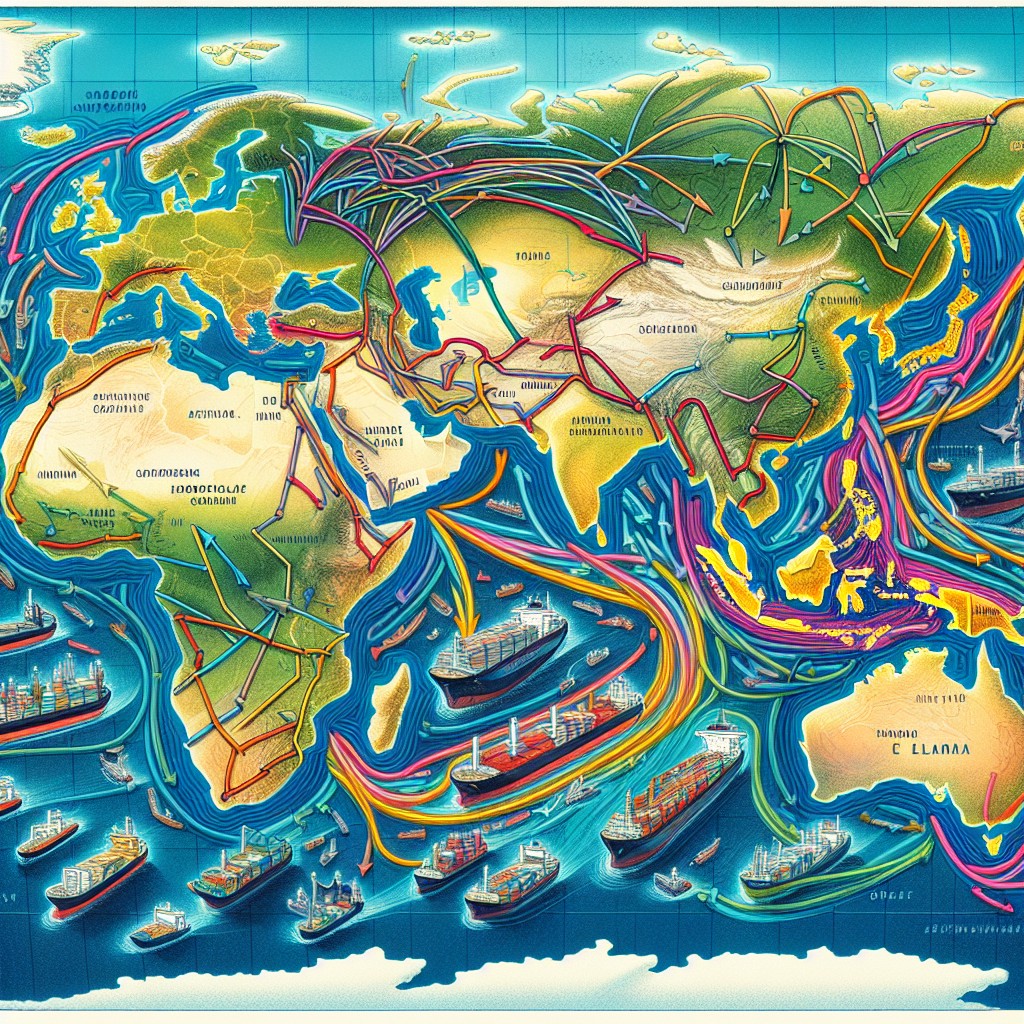
Global maritime shipping continues to be heavily influenced by strategic energy corridors and chokepoints, which remain critical for the transportation of oil, gas, and other energy commodities. In 2024, these maritime pathways are under increased scrutiny due to geopolitical tensions, evolving trade patterns, and infrastructural developments that could impact global energy supplies and shipping routes.
The significance of energy corridors in global shipping
Energy corridors are vital sea routes that facilitate the movement of energy resources from producing regions to consuming markets. These corridors usually encompass areas with a high volume of energy shipments, including oil tankers, liquefied natural gas (LNG) carriers, and coal transports. Maintaining the security and efficiency of these passages is essential for global energy stability and economic activity. In 2024, evolving geopolitical dynamics are drawing particular attention to the established energy corridors critical to worldwide energy flows.
Key chokepoints impacting shipping in 2024
Several maritime chokepoints continue to influence shipping routes significantly. The Strait of Hormuz remains one of the most strategically important energy corridors globally, with approximately a fifth of the world’s oil passing through it daily. Any disruption in this narrow passageway between the Persian Gulf and the Gulf of Oman could have immediate repercussions in energy markets and shipping schedules. Similarly, the Bab el-Mandeb Strait, connecting the Red Sea and the Gulf of Aden, is another vital chokepoint where security concerns due to regional conflicts affect shipping safety and transit times.
Shifts in energy corridors due to infrastructure development
Infrastructure enhancements along key routes are set to influence energy corridors substantially. For instance, the expansion of the Panama Canal allows larger vessels, including LNG carriers, to transit between the Atlantic and Pacific Oceans more efficiently. This development has introduced alternatives to traditional routes, potentially easing pressure on congested chokepoints. Moreover, new pipeline projects and port upgrades around the Mediterranean and Black Sea regions are reshaping the energy corridors that support European and Asian markets.
Geopolitical factors shaping energy corridors
Geopolitical tensions are a persistent factor shaping the risks and dynamics of energy corridors. In 2024, ongoing conflicts and diplomatic disputes around the Middle East, the South China Sea, and Eastern Europe have heightened uncertainty in these maritime passages. Countries reliant on stable supply chains are monitoring these zones closely to anticipate possible disruptions. The increased naval presence and coordinated international efforts to secure these energy corridors highlight their continuing importance.
Environmental considerations affecting shipping routes
Environmental regulations and climate change are increasingly influencing shipping patterns within energy corridors. Stricter emission control areas (ECAs) and the push for greener maritime operations prompt shipping companies to reconsider traditional routes, balancing the need for efficiency with regulatory compliance. Additionally, changing ice conditions in the Arctic are gradually opening new shipping lanes that could become future energy corridors, offering shorter transit times between Eurasia and North America if commercial feasibility is established.
Conclusion: The evolving landscape of energy corridors and maritime chokepoints
The landscape of energy corridors and chokepoints shaping shipping routes in 2024 remains complex and dynamic. While traditional strategic passages like the Strait of Hormuz and Bab el-Mandeb continue to be critical, infrastructural developments, geopolitical shifts, and environmental factors are driving gradual changes. Stakeholders in global energy and shipping sectors must continue monitoring these corridors closely to manage risks and optimize transport routes for energy commodities amid ongoing global uncertainties.
Frequently Asked Questions about energy corridors
What are energy corridors and why are they important in shipping?
Energy corridors are specific sea routes that facilitate the transport of energy resources such as oil and gas. They are important because they connect producing regions with consuming markets, making them crucial for global energy supply chains and maritime trade.
Which are the most critical energy corridors in global shipping?
Some of the most critical energy corridors include the Strait of Hormuz, Bab el-Mandeb Strait, the Suez Canal, and the Panama Canal. These chokepoints see significant volumes of oil and gas shipments and their security directly impacts global energy markets.
How do geopolitical issues affect energy corridors?
Geopolitical tensions in regions hosting major energy corridors can increase risks of disruptions, impacting shipping safety and causing volatility in energy prices. Countries and companies closely monitor these areas to mitigate potential supply chain interruptions.
Are there alternative routes to traditional energy corridors?
Yes, infrastructure improvements such as the expansion of the Panama Canal and the potential emergence of Arctic shipping lanes provide alternative pathways. However, many alternative routes may face limitations related to scale, cost, or environmental regulations.
How is climate change influencing energy corridors in shipping?
Climate change affects energy corridors by altering navigable waters, such as melting Arctic ice opening new routes, and by prompting stricter environmental policies. Shipping companies must adapt to comply with emission standards and optimize routes considering environmental risks.